

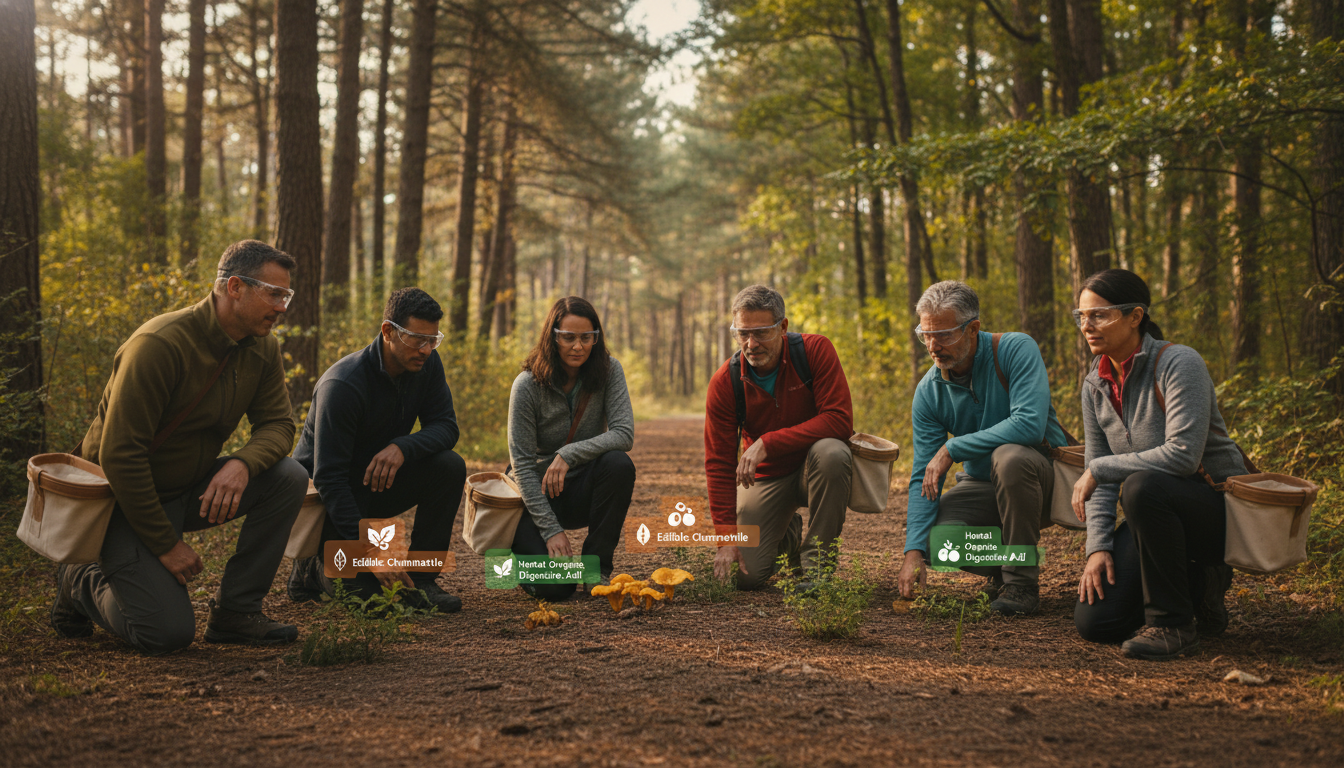
Your trail network is sitting on a gold mine—yet most campers stroll past it in search of the next Wi-Fi bar. Imagine handing them a phone, letting them point it at a patch of chickweed, and watching an augmented overlay light up with “Yes, edible! Try it sautéed with garlic.” That single moment turns an ordinary walk into a share-worthy, book-again memory.
Early adopters like Hood Canal Adventures are already selling out old-school foraging walks. Layer in real-time AR identification, and you unlock a hands-free guide that never calls in sick, doubles as a liability buffer, and up-sells itself with digital badges and camp-store cooking kits.
Ready to convert your underused acreage into the hottest experiential amenity of 2025? Stay with us—over the next few paragraphs you’ll see exactly how to bolt cutting-edge AR onto a proven tour model, avoid the safety landmines, and start charging premium rates before the first mushroom pops.
Key Takeaways
Before we dive into the how-to, scan this quick list so you know exactly what you’ll gain from an AR foraging program—and why campers won’t stop talking about it once they try it.
– A phone with AR can tell campers if a plant is safe to eat, turning any walk into a fun, share-worthy game
– Campgrounds can charge for these AR foraging tours and fill more bookings, even in slow seasons
– Simple apps (like ImaginateAR and Cluetivity) let guides record plant facts once; guests see them on their own phones with no coding needed
– Safety stays top priority: quick lesson, on-screen waiver, big red warnings for harmful plants, and guides trained in first aid
– Works where cell bars are weak: add small Wi-Fi nodes or load the tour on the phone before the hike
– Train guides to know both plants and basic app fixes; check trails often so the info is always right
– Extra money ideas: sell cook kits, unlock special recipes, give digital badges, and run “cook what you found” classes
– Protect nature: the app sets daily pick limits, uses GPS fences, and reminds guests to leave no trace
– Track easy numbers like scans, sales, and plant health to show the program pays off and stays sustainable
– Start with a short test loop this month and earn new revenue before the next mushroom season.
Keep those points in mind as we break down the tech stack, training plan, and revenue streams that turn a simple trail into a marquee amenity.
Why Guests Suddenly Care About Wild Edibles
Foraging has moved from fringe hobby to mainstream vacation activity. Outdoor Foundation numbers show a consistent uptick, and platforms such as Glamping Hub report double-digit growth in bookings that include the word “foraging.” Parents love the built-in STEM lesson, digital nomads love the Instagram potential, and foodies love bragging rights at the campfire.
Hood Canal Adventures’ Forest Edibles Tour on 26 July 2025 sold out weeks ahead of time, proving real dollars already flow toward guided plant walks event case study. Campgrounds that add an AR layer transform that rising curiosity into a signature amenity, turning a free trail into a premium, schedule-controlled experience that pads shoulder-season occupancy. Industry analysts forecast similar demand spikes across regional parks, signaling a scalable opportunity.
Tech That Authors Itself—No Coding Required
ImaginateAR—profiled in an April 2025 preprint—lets a guide record voice prompts in the field while the software auto-generates location-based overlays ImaginateAR preprint. Point at a chanterelle, say “edible, buttery flavor, sauté,” and the next guest sees exactly that. Real-time plant ID data ties into the overlay, so your visitors receive instant confirmation without staff hovering over every scan.
Delivery is equally turnkey. Cluetivity’s GPS-driven platform already runs treasure hunts for tour operators worldwide, making it a plug-and-play backbone for a foraging quest Cluetivity platform. Upload trail coordinates, drop your ImaginateAR scenes into each waypoint, and let the system track scans, award badges, and nudge guests if they veer off course. You author once; the tech scales to every weekend group, school field trip, or corporate retreat.
Safety Layers That Quiet Attorney Nightmares
Smartphone magic never replaces basic risk management. Require a five-minute orientation where guests sign an on-screen waiver while a staffer demonstrates look-alike hazards. Because the app stores that digital signature, you gain a tidy audit trail without file cabinets.
At each trailhead, color-coded signage reminds visitors to confirm every plant twice—once with their eyes, once with the camera. Inside the overlay, toxic species get oversized red icons and a buzzing haptic alert. First-aid kits stocked with activated charcoal and antihistamines sit at both trail ends, and at least one cross-trained guide per group carries CPR and allergy-response certs. Quarterly database reviews keep the red flags current, so newer invasive toxins never slip past your digital sentry.
Connectivity and Hardware Where Bars Fade to One
Tree canopies love to swallow cell signals, so install discreet mesh Wi-Fi nodes or directional antennas along the most popular loop. Where budgets run tight, preload offline content bundles at check-in; the phone still pings GPS, and overlays fire without live data. Rugged cases, wrist lanyards, and battery packs fold into the tour fee, slashing the “my phone fell in the creek” refund requests.
Guests who prefer their own devices can dock at mid-trail solar lockers for a top-off, eliminating the battery-panic exit that cuts tours short. Run firmware, content, and security updates during low-occupancy windows so live guests never watch a spinning wheel instead of a glowing overlay. This proactive maintenance schedule also extends device lifespan, improving ROI on your hardware investment.
Training Guides Who Speak Both Botany and Bandwidth
Cross-training pays twice: one payroll line covers naturalist storytelling and basic tech troubleshooting. Give every guide a two-page AR style guide—icon colors, font sizes, narration tone—so the experience feels seamless no matter who updates a waypoint. Monthly field audits let staff walk the route with apps open, correcting GPS drift or stale content before guests notice.
Encourage guides to log common guest questions on a shared doc right after each tour. Those questions become new pop-ups, enriching the content while reducing repetitive explanations. Rotate content-creation duties among the team so institutional knowledge lingers even if one star employee moves on.
Turn Every Scan Into Revenue
A mushroom ID should never be the final sale. Bundle each booking with a camp-store “cook kit”—portable stove, skillet, and seasoning pouches—to lift average transaction value. Gamify a premium membership layer that unlocks chef-curated recipes or season-specific mushroom quests, and watch the upsells materialize in your booking software.
Digital badges do double duty: kids flash them on social, parents receive an automated discount code for a return stay. Evening “cook-what-you-found” classes use existing communal kitchens, adding another revenue stream without new facilities. Cap the day with branded enamel pins or pocket-sized field guides so guests leave through the gift-shop funnel.
Protect the Forest That Pays the Bills
Overharvesting kills more than margins—it erodes the amenity itself. Program daily harvest quotas into the app; the overlay flips to “look, don’t pick” after limits are met, and GPS fencing prevents guests from skirting the rule. One-way trail loops and seasonal rotation further reduce trampling, giving plant colonies a chance to recharge.
Encourage mesh collection bags so spores and seeds sprinkle the path while campers walk. Leave No Trace reminders appear at high-traffic photo stops, nudging visitors to pocket snack wrappers and step around fragile moss beds. Stewardship becomes part of the story guests tell, which drives the eco-traveler demographic straight to your booking page.
Track the Numbers That Justify the Investment
Analytics inside the AR dashboard show scans per guest, badge completion rates, and heat-map dwell times. Pair that with POS data—percentage of tour participants who buy cooking kits—and you have a crystal-clear picture of ancillary revenue. Tie promo codes in the digital badges to repeat reservations, and you can trace actual room-nights back to a single patch of chickweed.
Field surveys conducted pre- and post-season monitor plant populations. Healthy data lets you brag about sustainability in marketing materials while flagging early signs of over-foraging. When investors or franchise directors ask for proof, numbers beat anecdotes every time.
Your woods are already whispering the story—augmented reality just turns up the volume. When every scan sparks a share, every badge triggers an automated upsell, and every GPS ping feeds your marketing data, the line between nature and revenue disappears. If that sounds like the kind of experience you want filling your booking calendar (and your camp store), let Insider Perks handle the heavy lifting. Our team blends marketing, advertising, AI, and automation into one seamless ecosystem, so you can roll out an AR foraging tour that stays on brand, sells itself, and scales with zero extra stress. Ready to see what your trails can really earn? Book a strategy call with Insider Perks today and turn your acreage into the amenity everyone remembers—and rebooks.
Frequently Asked Questions
Q: What does it cost to get an AR foraging program off the ground?
A: Most parks launch a pilot for $3,000–$6,000, which covers six rugged loaner phones, ImaginateAR and Cluetivity annual licences, two or three mesh Wi-Fi repeaters, and trailhead signage; operators who charge $25–$45 per guest typically earn that back in one season through tour fees and cook-kit upsells.
Q: Do guests need to download a separate app before arrival?
A: No—Cluetivity delivers the experience as a branded, lightweight web-app that loads from a QR code on the welcome email or trailhead sign, so even impulse participants can launch the tour in under a minute on either iOS or Android.
Q: How reliable is plant identification when cell coverage is weak?
A: The AR overlay is cached to the device at check-in, and the real-time AI model runs locally with GPS input, so guests still receive instant confirmations offline; once they regain signal the scan data syncs automatically to your analytics dashboard.
Q: What about liability if someone misidentifies a toxic plant and gets sick?
A: Each participant signs a digital waiver during a mandatory orientation that stresses double-verification and safe tasting protocol, the overlay flags look-alikes with red icons and haptic alerts, and your insurer can underwrite the tour as a standard guided activity when you document those risk-mitigation layers.
Q: Do I need a certified botanist on every walk?
A: Not after setup—have a credentialed naturalist vet the initial content and review quarterly, then cross-train regular guides to handle narration and basic tech troubleshooting, so one payroll line delivers both expertise and guest support.
Q: How much staff time is required to create and maintain the AR content?
A: Recording voice prompts, snapping reference photos, and dropping waypoints into the drag-and-drop editor takes about four hours for a 200-yard loop, and monthly field audits rarely exceed 30 minutes because edits publish instantly to all devices.
Q: Can the system integrate with my existing booking engine and POS?
A: Yes, ImaginateAR exports guest IDs and badge completions via API, letting platforms like Campspot or NewBook trigger add-on sales, push discount codes, and post tour revenue to your regular ledger without manual entry.
Q: How do we prevent overharvesting and resource damage?
A: Daily digital quotas can be baked into each waypoint, automatically switching the overlay to “observe only” once limits are met, while GPS fencing and one-way trail design spread foot traffic and protect sensitive colonies.
Q: Is the experience accessible for guests with disabilities?
A: The app supports large-font and voice-over modes, trails can be mapped along ADA-compliant surfaces, and you can offer a stationary “scan table” near the lodge where mobility-limited visitors examine pre-collected specimens without missing the AR content.
Q: How do I market the tour to drive bookings outside peak season?
A: Highlight seasonal specialties—spring nettle pesto, fall chanterelle risotto—on social media, bundle tours with shoulder-season cabin discounts, and let guests share their digital badges instantly, which feeds user-generated content into your marketing pipeline.
Q: What’s the typical group size and tour length that maximizes revenue?
A: Operators report the sweet spot as 8–12 guests on a 60–90-minute loop, allowing one guide to manage both safety and storytelling while keeping turnover high enough to run three or four sell-out slots per day.
Q: How secure is the guest data collected by the app?
A: All waiver signatures, scan logs, and email captures are encrypted at rest and in transit, stored on SOC 2-compliant servers, and you can set automatic purges or exports to stay in line with GDPR and CCPA requirements.
Q: Will the technology become obsolete quickly?
A: ImaginateAR updates its recognition model over-the-air and Cluetivity pushes new AR frameworks quarterly, so as long as you keep devices on a three-year replacement cycle the guest-facing experience stays fresh without rebuilding from scratch.
Q: How do we handle food allergies or dietary restrictions during the “cook what you found” add-on?
A: The booking form collects allergy information, the app flags those guests in the roster, and guides offer alternative prep ideas—like fermenting instead of sautéing—so everyone participates safely while you maintain inclusive upsell opportunities.
Q: Can this amenity coexist with our existing Wi-Fi usage tiers?
A: Absolutely—because most data transfers happen during the initial content download, the tour can live on a separate low-bandwidth VLAN or offline mesh, letting you reserve premium Wi-Fi tiers for upsell without slowing the AR experience.