

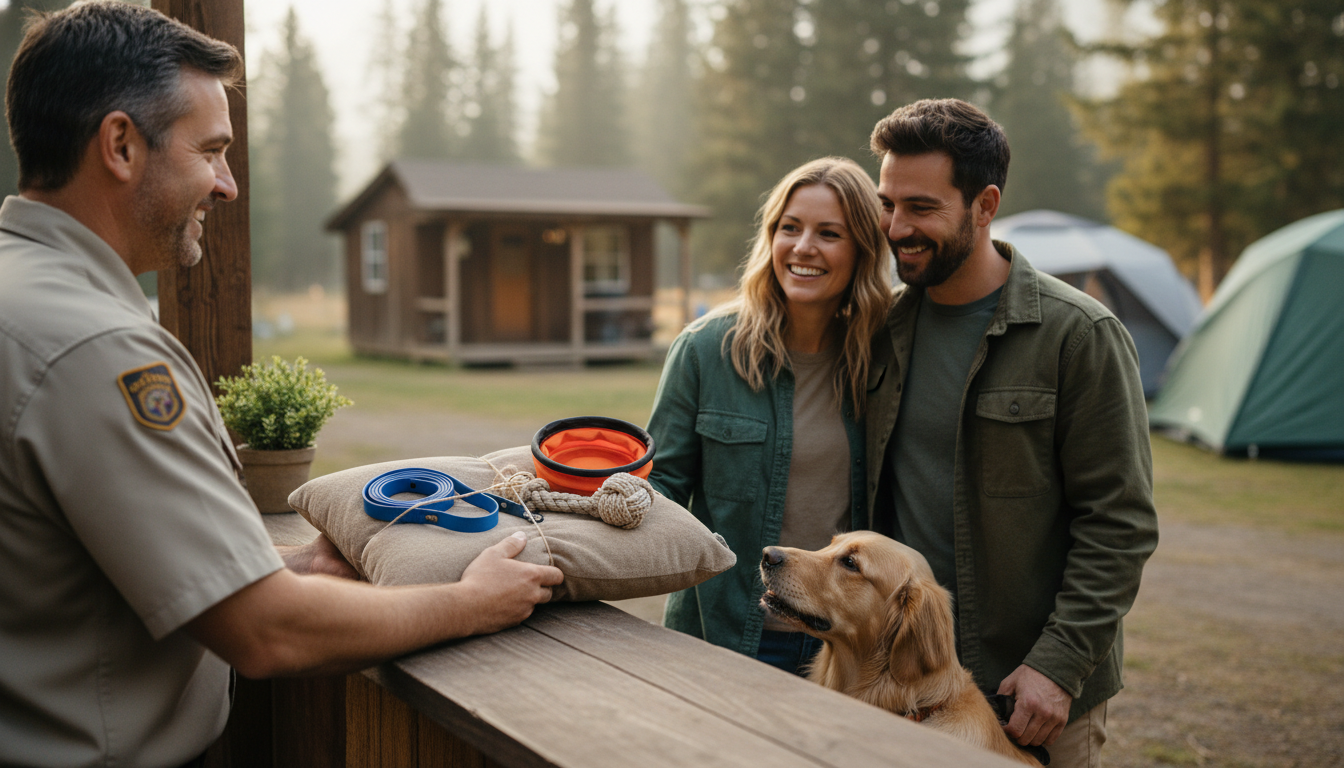
Your Saturday check-in line is inching forward, a Lab is panting at the counter, and the owner just discovered a surprise $5 pet fee buried in the fine print. One awkward pause later, the Google review you haven’t even earned yet is already trending toward three stars.
What if that same dog—and every tail after it—could streamline operations, boost trust, and add high-margin revenue before the first tennis ball hits the ground? Stay with us: San Diego County’s “pets-included” pricing, Airbnb’s no-surprise mandate, and a grab-and-go wall of LED collars point the way to smoother arrivals and fatter receipts.
Ready to turn barking into booking power? Let’s break down the bundles, the upsells, and the staff scripts that make pets a profit center instead of a pain point.
Key Takeaways
Transparent, bundled pet pricing isn’t a trend—it’s the new baseline set by public parks, major OTAs, and review-savvy travelers. When guests see the true cost of bringing their dog on the search-results page, the booking feels fair and friction-free, which shortens decision cycles and raises conversion rates. Faster check-ins, fewer disputes, and happier reviews flow naturally from that clarity.
Just as important, the right add-on structure turns wagging tails into an easy revenue stream. Premium packages, impulse-buy accessories, and community-building events lift ADR without resorting to broad rate hikes. Staff training and quarterly data reviews keep the program nimble, letting you dial perks up or down as seasons and guest mix shift.
– Tell guests the full pet price up front—include up to two pets in the nightly rate so there are no surprises
– Clear, bundled pricing makes check-in faster and keeps reviews happier
– Charge extra only when real costs rise (big dogs, holidays) and explain the value right on the booking page
– Offer a Premium Pet Package with perks like late checkout, dog-wash tokens, and goodie bags to lift revenue pain-free
– Place easy-grab pet items (LED collars, bowls, treats) near the counter; they sell fast and earn high profit
– Train staff to greet pets, hand out rules, and solve small issues quickly to keep goodwill high
– Run fun pet events and photo contests to spark social media buzz and repeat visits
– Track money earned, complaints, and package uptake; adjust every quarter for best results.
The Transparency Tide Is Already Lapping at Your Shore
San Diego County Parks quietly rewrote the playbook when it folded two pets and one extra vehicle into its standard campsite rate, a move that shaved minutes off every check-in and nearly erased “hidden fee” complaints (county fee update). Guests step to the desk knowing exactly what they owe, and rangers spend less time explaining line-item charges and more time greeting the next arrival. Streamlined operations aren’t just nicer for staff; they reduce queuing frustration that often sparks negative reviews.
Platform policies echo the same drumbeat. Airbnb’s 2025 update forces hosts to roll mandatory pet and cleaning fees into the upfront price, and early adopters report fewer disputes and smoother bookings (Airbnb host forum). Whether you list on Airbnb or not, the mandate trains travelers to expect total transparency. Ignore that shift and your campground, RV resort, or glamping retreat feels dated before guests ever set foot on-site.
Bundle First, Balance Costs Later
Bundling sounds risky until you pencil out the numbers. Most campers—82 percent according to RVIA—travel with no more than two animals, so rolling those first two pets into the nightly rate protects 80-plus percent of stays while keeping the pricing sheet refreshingly simple. Meanwhile, the cost side can be contained with operational guardrails: reserve a tranche of vinyl-floored sites for pet owners, add a five-minute “fur sweep” to housekeeping checklists, and keep a modest damage authorization on file. Those small tweaks fence in extra cleaning without dinging guest goodwill.
Clear rules close the loop. A single-page handout at check-in repeats the confirmation-email bullet points: leash areas, quiet hours, no-go zones. Because the rules are printed—visible, nonnegotiable—staff avoid awkward enforcement debates. The result is the first value gap closed: protecting property and controlling cleaning costs while still advertising pets-stay-free simplicity.
When à-La-Carte Still Makes Sense
Peak holiday weekends, premium glamping tents, and groups wrangling three Great Danes can tip the cost equation back toward separate fees. Campground Views reminds operators that add-ons survive scrutiny when tied to tangible perks: think freshly stocked waste-bag stations, a sparkling dog-wash bay, or expanded agility equipment (Campground Views advice). If you must charge, call out the value on the booking widget itself—upfront, in bold, and never buried below the fold. Transparency keeps trust intact and chargebacks at bay.
Seasonality offers another lever. During shoulder weeks when occupancy dips, waive the surcharge for a marketing bump or bundle a late checkout into a “Puppy Playtime” promo. In July, flip the switch back to pay-per-pup to preserve turnover speed at the gate. Dynamic yet transparent pricing turns the fee from a flat tire into a steering wheel.
Tiered Pet Packages That Upsell Themselves
A two-step ladder usually does the trick: a Base Bundle and a Premium Pet Package. The base covers up to two pets, full dog-park access, and a starter roll of waste bags. Because the cost hides in the room rate, guests feel looked after rather than nickel-and-dimed.
The premium tier piles on unlimited pets, late checkout, a pet-wash token, and perhaps a reusable tote stocked with a leash, toy, and locally sourced treat. Operators who track conversions in their PMS often see 15–25 percent of pet owners self-select the upgrade, a painless ADR lift that also pre-sells retail inventory. Quarterly review of uptake and guest feedback lets you dial the price or inclusions until the package hums.
Retail and Rental Accessories: High Margin in Plain Sight
Impulse racks are underrated revenue engines. A waist-high display near the register loaded with collapsible bowls, LED night collars, and artisanal jerky captures that moment when owners realize they forgot something. Margins north of 45 percent are common, and the display doubles as silent confirmation that your park is truly pet-friendly.
Rentals add heft without cluttering inventory. Portable fences, shade canopies, and oversized kennels can pay for themselves in a single season, especially when bundled into premium packages or offered at the reservation cart. Rotate SKUs with the weather—cooling mats in August, paw balm in February—to keep regulars opening their wallets and to show first-timers you know local conditions inside out.
Train Your Team to Speak “Pet”
Profit evaporates if staff mishandle a four-legged guest. A 30-minute quarterly refresher on approaching animals, allergy protocols, and the standard greeting script pays outsized dividends. When every employee hands over a map, points to the dog park, and offers an extra waste bag, guests see consistency, not chaos.
Empowerment is the safety valve. Equip roving team members with spare bags and a radio code for loose-dog incidents so small snafus never escalate. Give front-desk agents latitude to comp a toy if a waste-bag station runs empty; five dollars in merchandise offsets a hundred dollars in goodwill that might otherwise vanish in a public complaint.
Market the Bark: Community and Loyalty Flywheel
Dogs make photogenic influencers, so lean into visuals. A single Instagram carousel of pups splashing in the river often outperforms a text-heavy post about tonight’s movie night. Create a branded hashtag, run a quarterly photo contest, and watch user-generated content fill your marketing calendar for free.
Events stretch length-of-stay. Host a weekly Yappy Hour near the dog park or a dawn pack walk led by a staffer. Guests mingle, friendships form, and suddenly that one-night stopover becomes a two-night booking. Tie it all together with a Pawsport loyalty card—five stamped stays earns a complimentary pet kit—and watch repeat visits crowd the calendar.
Measure, Tweak, Repeat
Pet initiatives thrive on data. Track add-on revenue per occupied site, dispute rates linked to pet fees, and the sentiment of pet-related reviews. Enter those fields into the PMS and tag stays that include the Premium Pet Package so you can correlate upgrades with longer visits or higher retail spend.
Benchmark before and after the shift to bundled pricing. Operators aiming for a five-to-ten-percent ADR lift usually hit the mark without denting occupancy, provided transparency stays ironclad. Quarterly deep dives keep the program fresh, the accessories relevant, and the value gaps permanently closed.
Pets already patrol your property—now let them pad your profit. Whether you’re auto-bundling the first two dogs into every reservation, A/B testing premium add-ons, or scheduling a month of “Yappy Hour” posts in one click, the difference between goodwill and gold lies in how smartly you package, price, and promote. If you’re ready to swap surprise fees for friction-free check-ins and turn every wagging tail into a high-margin upsell, Insider Perks can help. Our team blends outdoor-hospitality expertise with AI-powered marketing, advertising, and automation that plugs seamlessly into your PMS and starts fetching results fast. Drop us a line, book a demo, and let’s teach your revenue to sit, stay, and grow.
Frequently Asked Questions
Q: If I bundle two pets into my base rate, won’t my average daily rate take a hit?
A: Most operators find the opposite happens because the small nightly bump required to cover typical pet costs is offset by faster check-ins, fewer disputes, and higher overall booking confidence, which together lift conversion rates and reduce review-driven discounting, resulting in a net ADR gain of roughly five to ten percent.
Q: How do I calculate the right dollar amount to roll into the rate without overpricing non-pet guests?
A: Pull twelve months of historical data to see what percentage of stays included pets, divide your past pet-fee revenue by total occupied nights, and add that figure—usually between $1.50 and $3.00—into every site or unit; the increase is low enough that non-pet guests rarely notice while still funding pet amenities and cleaning for those who bring animals.
Q: Won’t guests without pets feel they’re subsidizing someone else’s dog?
A: Transparency is your shield: clearly state that the rate includes a bundle of campsite perks such as Wi-Fi, parking, and up to two pets, so the charge reads as an all-around convenience rather than a pet tax, and surveys show that when framed this way only a small fraction of non-pet guests object.
Q: Should I still list an extra-pet fee for guests bringing more than two animals?
A: Yes, an incremental fee for third or fourth pets keeps cleaning costs in check and signals that higher-impact stays carry a proportional charge, but publish the rate prominently in the booking path so it feels like an informed choice rather than a surprise penalty.
Q: How do I display bundled pricing on OTAs like Airbnb that are tightening fee rules?
A: Enter the full, pets-included nightly rate as the base price, then use OTA dropdowns or property-rules sections to note any add-on for additional pets so the platform’s price transparency requirements are met while still allowing you to monetize edge cases.
Q: What site modifications help contain fur, odors, and damage once pets are free?
A: Simple upgrades such as vinyl plank flooring in pet-heavy units, washable slipcovers, and strategically placed waste-bag stations minimize maintenance time, and operators who pair these with a brief post-departure “fur sweep” by housekeeping report little increase in labor hours.
Q: How can my front desk speed up lines now that I’m not collecting pet fees at arrival?
A: Pre-arrival confirmation emails that spell out leash rules and printable maps of dog areas let staff skip fee explanations and instead hand guests their keys, waste-bag starter roll, and a smile, cutting average check-in time by two to three minutes per party.
Q: Which retail products move fastest for pet owners at outdoor properties?
A: Collapsible bowls, LED night collars, locally made treats, and single-use pet wipes consistently produce margins north of 45 percent because they solve immediate on-site problems like forgotten gear or nighttime visibility.
Q: Is it worth offering rental items like portable fences or shade tents?
A: Yes, high-ticket rentals often pay for themselves within one peak season and create a convenience factor that encourages longer stays, especially for RVers who prefer to travel light and glampers who arrive by car with limited cargo space.
Q: What’s the best way to track pet package and accessory revenue in my PMS?
A: Set up distinct revenue codes for base bundles, premium packages, retail sales, and rentals, then require staff to post each transaction under the correct code so you can run monthly reports that reveal uptake rates, average spend per pet owner, and seasonality trends.
Q: How frequently should I revisit my bundled price or package inclusions?
A: Quarterly reviews aligned with shoulder-season transitions let you compare revenue, occupancy, and guest sentiment data, making it easy to nudge the nightly rate or swap accessories before small cost overruns or stagnant upsells become chronic.
Q: How do I train staff to handle service animals under ADA rules while still enforcing pet policies?
A: Teach team members to limit questions to two legally permitted ones—whether the animal is required for a disability and what tasks it performs—so genuine service animals are accommodated without fees, while emotional-support or regular pets remain under your published rules and optional premium packages.
Q: What scripting helps sell the premium pet package without sounding pushy?
A: A simple, benefit-led line such as “Many of our pet guests upgrade for late checkout and a free wash token—would that make your stay easier?” frames the upsell around guest convenience, not revenue extraction, and typically converts about one in four pet owners.
Q: Can I waive the extra-pet fee during low-occupancy weeks to drive bookings?
A: Absolutely, toggling the fee off in shoulder seasons works as a targeted promotion that moves inventory without resorting to blanket rate cuts, and because the policy is transparent guests see it as a perk rather than a gimmick.
Q: How should I handle guests who sneak in pets or ignore leash rules under a bundled model?
A: Combine a signed acknowledgment at check-in with gentle but firm enforcement—staff issue one courtesy reminder followed by a documented incident fee already disclosed in the confirmation email—so rule breakers bear the cost while compliant guests enjoy a friction-free experience.
Q: Which metrics tell me my pet program is truly profitable?
A: Watch for rising ADR alongside stable or improved review scores, a decline in pet-related disputes or chargebacks, and steady growth in per-occupied-site retail spend; when all three move in the right direction, your pets-included strategy is adding genuine value to the bottom line.