

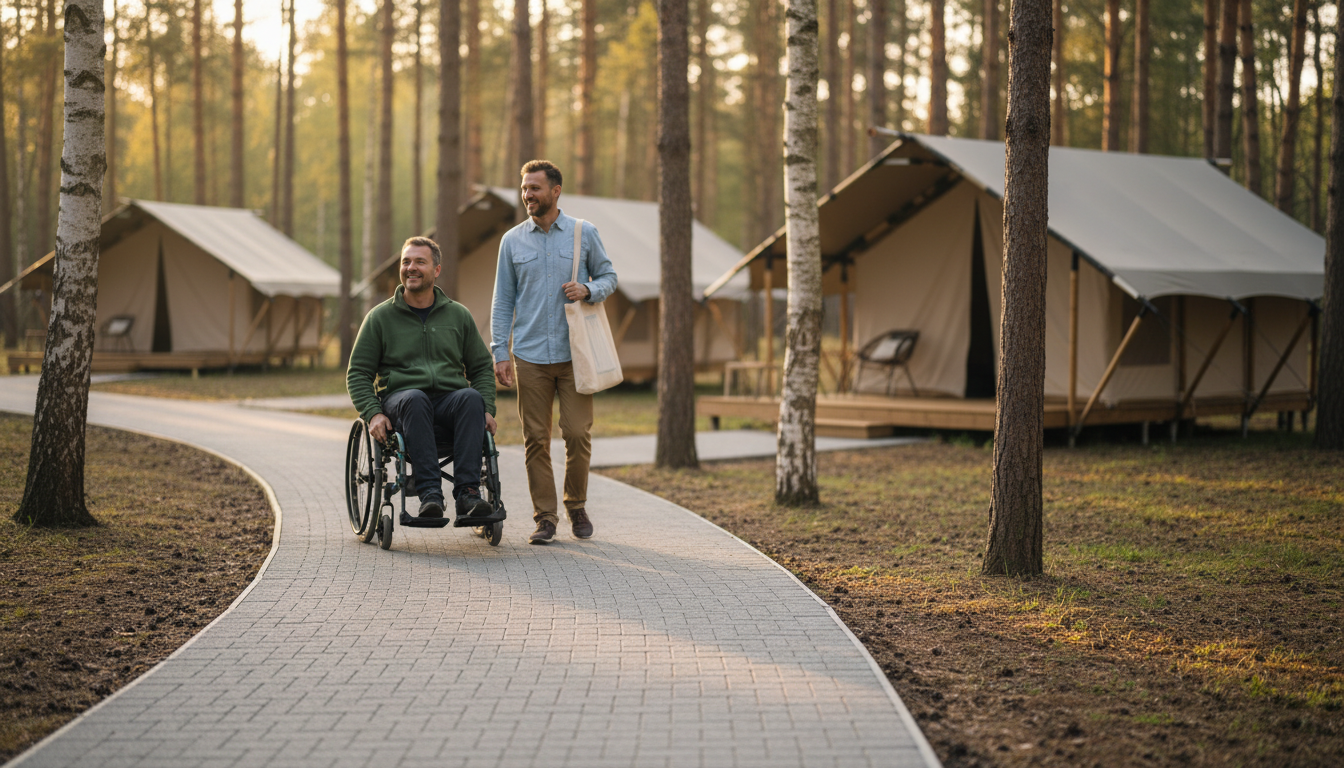
Last summer’s wooden decking looked charming—right up until it warped, grayed, and turned into a splinter factory under the relentless UV. Add one surprise rainstorm, and that same path became a slip-and-fall headline waiting to happen. If the thought of wheelchairs bogging down in sand, strollers skidding on vinyl, or ADA inspectors raising an eyebrow makes your stomach drop, keep reading.
In the next five minutes you’ll discover:
• Which roll-up mat laughs at direct sun yet coils away for hurricane season.
• The vinyl surface that can pass for teak while shrugging off pool water and salt spray.
• The open-grid workhorse that drains faster than the forecast changes—and why flip-and-store day should be on every maintenance calendar.
The right UV-proof, non-slip walkway doesn’t just keep guests upright; it unlocks premium site fees, rave reviews, and one less liability nightmare. Ready to trade warped boards for decade-long peace of mind? Dive in.
Key Takeaways
• Sun and rain can twist wood and make paths slippery; choose materials that stop both problems
• Good walkways must be firm, stable, and safe for wheelchairs, strollers, and bare feet (ADA rules)
• Look for UV ratings of 10,000 hours and slip scores of R10 dry / R11 wet to keep surfaces cool and grippy
• Three smart options:
– Roll-up PET mats: fast to lay down, easy to store before storms
– Marine vinyl: looks like teak, laughs at pool water and salt
– Open-grid PVC: drains fast, great near splash pads and rivers
• Map your park: use each material where it works best (sand, main deck, wet zones)
• Build on compacted stone, add edging, and anchor mats so wind or wheels can’t move them
• Small weekly rinses and a yearly “lift and flip” keep paths strong for ten years or more
• Safer, cooler paths mean fewer injuries, happier guests, better reviews, and higher site fees.
Sun, Slips, and the ADA: Why Walkway Choice Isn’t Optional
Sunny destinations may sell campsites, but 200-plus fierce UV days chew through most plastics and bleach wood into brittle tinder. As polymers break down, heat builds on the surface; guests swap flip-flops for blister complaints, and your maintenance team swaps weekends for emergency repairs. Meanwhile, insurer data shows slips still drive more than one-third of campground injury claims, so every slick board and uneven gap is potential legal tinder, too.
The Americans with Disabilities Act requires paths to be firm, stable, and slip-resistant, with openings no wider than half an inch and bevels at even tiny elevation changes. Non-compliance is no longer a mere fine—it shows up in search filters, review sites, and travel blogs read by families traveling with mobility devices. A walkway that stays cool, textured, and photo-ready earns the hidden badge of inclusivity that algorithms and guests both notice.
Performance Benchmarks That Separate Winners From Warped Boards
Before you shop, lock in hard numbers. Start with UV stability: look for resins or coatings rated for at least 10,000 hours of accelerated exposure. Next, demand a slip coefficient of R10 in dry conditions and R11 or higher where sprinklers, splash pads, or afternoon storms lurk. Those values sound technical, but they translate into grips that stop a stroller or cane on the first step.
Heat reflectivity matters, too. Lighter tones and reflective topcoats can keep surfaces up to ten degrees cooler, letting kids dash barefoot from tent to pool without the hop-skip ouch routine. Finally, weigh portability against permanence—roll-up mats allow weekend re-layouts for weddings, while glue-down vinyl turns a patio into a luxury deck. Add weight-bearing capacity for golf carts and scooters, and you have a checklist that keeps sales reps honest.
Three Materials That Beat Heat, Water, and Wheelchairs
The first contender is the roll-up walkway made from 100 percent recycled PET sold as Mobi-Mat RecPath. Five-foot panels unfurl over sand, grass, or soil, their wood-look weave shrugging off UV rays while staying cool enough for bare feet. Stainless eyelets accept landscape spikes, so the path resists uplift, then coils like a garden hose when hurricane alerts ping your phone. Operators in windy dunes praise the 10-year life span and the fact that a two-person crew can deploy 100 feet before breakfast.
Need a semi-permanent promenade that oozes upscale? G-Floor vinyl brings a thick polyvinyl wear layer textured to mimic teak or leather, all while batting away chlorine splash and salt spray. Loose-lay it for pop-up bars or glue it down for a waterfront boardwalk—either way, a weekly hose-down keeps the grain definition sharp, and UV inhibitors fend off the faded-dock look for seasons on end. Guests notice luxury underfoot, and you notice the absence of rot.
For zones that never dry—riverside tents, splash pads, misting fans—the open-grid PVC of Plastex Floorline shines. Its embossed pattern scores an R11 slip rating, while the lattice drains water, sand, and sunscreen in seconds. Rolls flex over tree-root heaves yet tolerate temperatures from –9 °F to 140 °F, so freeze–thaw cycles and desert highs both bounce off. Add antimicrobial additives and quick-lift weight, and maintenance crews can flip sections each year to even out sun exposure.
Map Your Park, Match Your Material
Picture an aerial sketch of your property. The loose-sand tent rows beg for portable Mobi-Mat sections that create instant ADA corridors without locking you into one layout. Main promenades or patio decks—places guests linger with lattes—earn the teak-look vinyl that aligns with premium nightly rates. Around pools, splash pads, and riverside docks, Plastex’s open grid guards against puddles and barefoot slips.
Mixing products isn’t a design failure; it’s strategic zoning that maximizes ROI. Guests never notice the transitions when beveled ramps smooth every interface, but they do feel consistent traction from tent flap to espresso bar. Your budget benefits, too—pay deluxe pricing only where aesthetics demand it, and roll out cost-efficient mats where function rules.
Build It Once, Enjoy It for a Decade
Long life starts beneath the surface. Grade and compact two to four inches of crushed stone or decomposed granite, sloping one percent away from the path to keep water from lounging underneath. Lay down weed-barrier fabric so thistles don’t muscle through and create ankle-turning humps. Then picture-frame loose-laid walkways with pressure-treated or recycled-plastic edging; the frame prevents panel creep and offers wheelchairs a seamless roll-on.
Where paths meet concrete or deck boards, install beveled aluminum or rubber transition strips so cane tips glide instead of catch. In wind tunnels, run landscape spikes or stainless lag screws through factory eyelets every four to six feet—security that keeps mats grounded even when pop-up canopies take flight. Follow those steps once, and “install day” fades into the background of your maintenance calendar for years.
A Maintenance Routine Guests Never Notice—Because It Works
Think of upkeep as micro-doses rather than marathon overhauls. A quick hose rinse or backpack-blower sweep each week removes abrasive sand and organic debris that could erode texture and traction. Log the rinse in a notebook; the paper trail helps if an insurance claim ever lands on your inbox.
Monthly, walk the lines with a screwdriver in pocket. Tighten edging screws, tap in loose spikes, and re-bond any vinyl seams before hairline gaps turn into scooter-catching crevices. Every quarter, pressure-wash with a fan tip below 2,000 psi and a mild pH-neutral soap—strong enough to lift algae, gentle enough to avoid etching polymer. Finally, schedule an annual “lift and flip” day for roll-up mats. Reversing traffic patterns evens UV exposure and color tone, adding seasons to the warranty clock.
Weather Isn’t an Excuse: Adapting to Desert, Freeze, and Hurricanes
In deserts or high-altitude sun, choose lighter hues or add reflective topcoats; surfaces stay cooler and the polymer chemistry breaks down slower. Where January thaw meets February refreeze, leave a quarter-inch expansion gap between vinyl butt joints so panels can flex without buckling. Storing rolled goods for the off-season? Loosen the coil and keep it in a shaded shed—tight rolls in sub-zero temps memorize a curl you’ll fight all spring.
Coastal operations wrestle with salt and storms. Rinse de-icing pellets or ocean spray off vinyl before it leeches plasticizers, and design anchoring that lets staff detach mats in under an hour. A removable eye-bolt system paired with labeled storage racks means hurricane prep doesn’t involve frantic unscrewing while clouds stack offshore.
From Function to Instagram: Designing Paths Guests Pay Extra For
A walkway can be more than safe—it can guide, delight, and sell. Earth-tone or wood-grain finishes let your resort blend into the surrounding pines, preserving the nature-first aesthetic glampers crave. Alternating textures or colors near activity hubs creates intuitive wayfinding; families follow subtle cues instead of hunting for signage.
Edge boards make perfect channels for low-voltage LED strips that cast a gentle glow after sunset. Nighttime ambiance extends usable hours and justifies premium site surcharges, all while reducing trip hazards. Add branded inlays or welcome mats at lodge entrances, and guests post barefoot selfies that double as free marketing. Even small nooks with benches or planters every few hundred feet become rest points that improve accessibility scores and open sponsorship opportunities with local artisans or firewood vendors.
Dollars and Sense: ROI You Can Show Your Accountant
Wood planks may look cheap up front, but churn every three to five years thanks to rot and splinters. PET, vinyl, and PVC options carry higher initial price tags yet push replacement to a decade or more, shrinking life-cycle cost curves. Factor in fewer injury claims and possible insurance discounts tied to ADA compliance, and the math leans heavily toward UV-stable synthetics.
Guest perception sweetens the pot. Safer, cooler, and more photogenic walkways translate into glowing reviews that bump your average daily rate. In competitive booking engines, a single line about “ADA-compliant, slip-safe paths from tent to pool” can nudge undecided travelers to click reserve—boosting occupancy without adding a single campsite.
The right path does more than move guests from Point A to Point S’mores—it fast-tracks five-star reviews, unlocks ADA ranking filters, and photographs like a dream. If you’re ready to turn tomorrow’s walkway into next season’s marketing highlight, let Insider Perks pave the way. Our team blends data-driven advertising, AI-powered automation, and hospitality-specific strategy to make every upgrade—right down to the board beneath a guest’s feet—work harder for your brand. Reach out today, and let’s map a smoother, safer, more profitable route through your entire park.
Frequently Asked Questions
Q: How is a “UV-resistant” walkway material different from any other plastic or vinyl I can buy at the hardware store?
A: UV-resistant mats and vinyls include stabilizers and reflective pigments tested for 10,000–12,000 hours of accelerated sun exposure, which means the polymer chains resist brittleness, chalking, and color fade for a decade or more instead of the two-to-three-year lifespan you see with commodity decking sold at retail.
Q: What slip-resistance rating should I look for to satisfy the ADA and my insurance carrier?
A: Aim for a minimum R10 coefficient of friction on dry surfaces and R11 or higher in splash zones; those values exceed the ADA’s “firm, stable, slip-resistant” wording and keep most insurance underwriters happy without costly add-on coatings.
Q: Will these walkways handle golf carts, e-scooters, or supply trucks without rutting or tearing?
A: Yes, the products highlighted—Mobi-Mat RecPath, G-Floor Outdoor & Marine Vinyl, and Plastex Floorline—are engineered for point loads of 60–100 psi, which comfortably supports golf carts and small utility vehicles when the base is compacted to spec.
Q: How complicated is installation for an average 100-foot run, and can my maintenance crew handle it without specialists?
A: A two-person crew with basic landscape tools can prep a crushed-stone base, roll out or loose-lay panels, and secure edging in a single morning; glue-down vinyl takes longer only because adhesive cure time adds 24 hours before reopening to traffic.
Q: Do I need a permit or third-party ADA inspection before opening the path to guests?
A: Most jurisdictions treat these surfaces like any other hardscape upgrade, so a simple site plan filing is enough, and a voluntary ADA consultant walk-through (about $300–$500) provides documented compliance that insurers and courts respect.
Q: How do I clean and sanitize without voiding the warranty or making the surface slippery?
A: Use a hose or low-pressure washer with pH-neutral soap once a month, avoid bleach concentrations above 10 percent, and skip solvent-based deck cleaners; those steps keep texture sharp and maintainers within warranty language.
Q: What kind of warranty and real-world lifespan should I expect?
A: Manufacturers typically offer five- to ten-year limited warranties, but properties that follow the rinse-tighten-flip routine described in the article routinely see 12–15 years before replacement becomes a discussion.
Q: How do I anchor mats in hurricane or high-wind zones yet still remove them quickly for storm prep?
A: Stainless eyelets every four to six feet accept landscape spikes or removable eye bolts; loosen the bolts and roll sections onto labeled racks, and 200 feet of matting can be stowed by a three-person crew in under an hour.
Q: Are these materials safe for pets, barefoot kids, and sensitive wildlife areas?
A: All three products are lead- and phthalate-free, stay 8–10 °F cooler than wood in direct sun when ordered in lighter colors, and carry slip ratings high enough to keep paws and feet secure even when wet.
Q: Can I mix different materials—say, vinyl on the patio and open-grid PVC near the river—without creating trip hazards?
A: Absolutely; bevelled transition strips equalize any height difference, and uniform color palettes make changes nearly invisible while giving you the performance advantages of each product where it matters most.
Q: What happens in freezing temperatures—will the panels crack or become slick?
A: The resins used remain flexible down to –9 °F, and the textured surfaces actually gain grip as water drains and freezes below the grid, so you avoid the black-ice sheen that plagues solid decking.
Q: Are these walkways recyclable or otherwise eco-friendly at end of life?
A: Yes, Mobi-Mat is already made from recycled PET and can be ground back into feedstock, while most vinyl and PVC suppliers offer take-back programs that pelletize old rolls for use in new industrial flooring, keeping tons of material out of landfills.